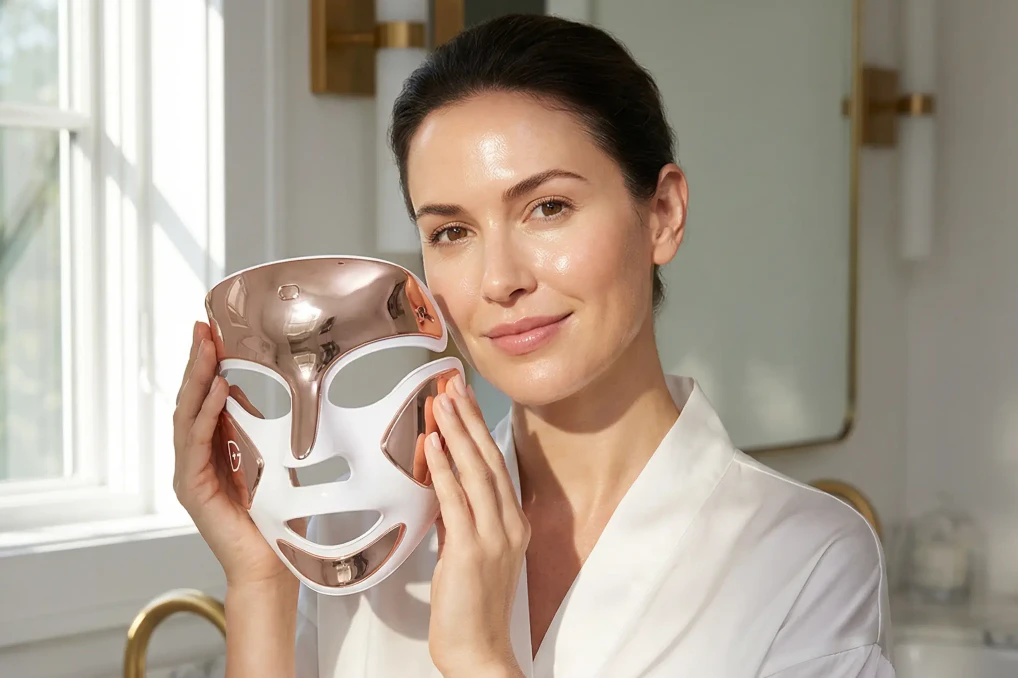
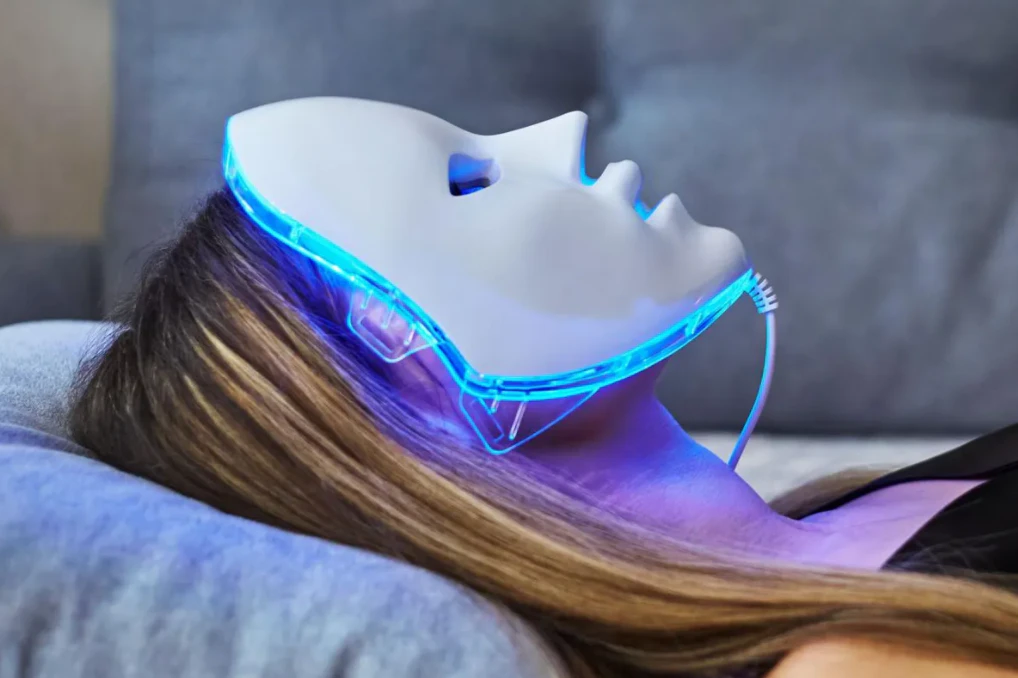
LED face masks have become one of the most popular at-home skincare devices in recent years. These devices use different wavelengths of LED light to address common skin concerns such as acne, wrinkles, and uneven skin tone.
Because LED masks are widely available for home use, many people ask an important question:
Are LED face masks safe, and do they have any side effects?
In this guide, we explain how LED masks work, whether they are safe for regular use, and what potential side effects you should be aware of before starting treatment.
How LED Face Masks Work
LED masks use light-emitting diode (LED) technology to deliver specific wavelengths of light to the skin.
Different wavelengths target different skin concerns.
Common wavelengths include:
Blue light (≈415 nm)
Targets acne-causing bacteria.Red light (≈630–660 nm)
Supports collagen production and skin repair.Near-infrared light (≈830 nm)
Penetrates deeper layers of the skin and may support cellular regeneration.
These wavelengths are commonly used in dermatology clinics and are now integrated into consumer skincare devices.
Are LED Face Masks Safe?
LED light therapy is generally considered safe and non-invasive when used correctly.
Unlike ultraviolet (UV) light, LED light used in skincare devices does not damage DNA or cause skin cancer.
Most at-home LED masks operate at low power levels that are designed to be safe for regular use.
Many dermatologists consider LED therapy a low-risk cosmetic treatment when used according to manufacturer guidelines.
Possible Side Effects of LED Masks
Although LED masks are generally safe, some users may experience mild side effects.
Temporary Skin Redness
Some users report mild redness immediately after treatment. This usually fades within a short period of time.
Dryness or Irritation
People with sensitive skin may experience mild dryness or irritation after frequent treatments.
Reducing treatment frequency often resolves this issue.
Eye Sensitivity
LED lights can be bright, and direct exposure to the eyes may cause discomfort.
Many devices recommend:
- closing your eyes during treatment
- wearing protective goggles
Headache or Light Sensitivity
A small number of users report headaches after exposure to bright LED lights.
This is relatively uncommon and often related to light sensitivity.
Who Should Avoid LED Masks?
While LED masks are safe for most people, certain individuals should consult a healthcare professional before using light therapy devices.
These include people who:
- have light-sensitive skin conditions
- take medications that increase photosensitivity
- suffer from certain eye conditions
If you are unsure whether LED light therapy is suitable for your skin, it is always best to consult a dermatologist.
How to Use LED Masks Safely
Following proper usage guidelines can reduce the risk of side effects.
Recommended safety practices include:
- follow the manufacturer’s treatment instructions
- avoid using the device longer than recommended
- protect your eyes during treatment
- keep the device clean and properly maintained
Most LED masks are designed to be used 3–5 times per week for best results.
Do Dermatologists Recommend LED Masks?
Many dermatologists recognize LED therapy as a supportive skincare treatment.
Clinical LED treatments have been used for years in dermatology offices for conditions such as:
- acne treatment
- wound healing
- skin rejuvenation
However, professional devices used in clinics are often more powerful than consumer devices.
At-home LED masks are designed to deliver similar technology at lower intensity levels that are safe for regular use.
Choosing a Safe LED Face Mask
Not all LED devices are created equal. When choosing a mask, consider factors such as:
- FDA clearance or regulatory approval
- device build quality
- number of LEDs
- treatment coverage
If you’re considering purchasing a device, you can compare popular options in our guide to the Best LED Face Masks.
Conclusion
LED face masks are widely considered a safe and non-invasive skincare technology when used correctly.
Most users experience little to no side effects, and many people incorporate LED therapy into their regular skincare routines.
However, like any skincare treatment, it is important to follow proper usage guidelines and choose a high-quality device.
Understanding how LED masks work and their potential side effects can help you make informed decisions about incorporating light therapy into your skincare routine.